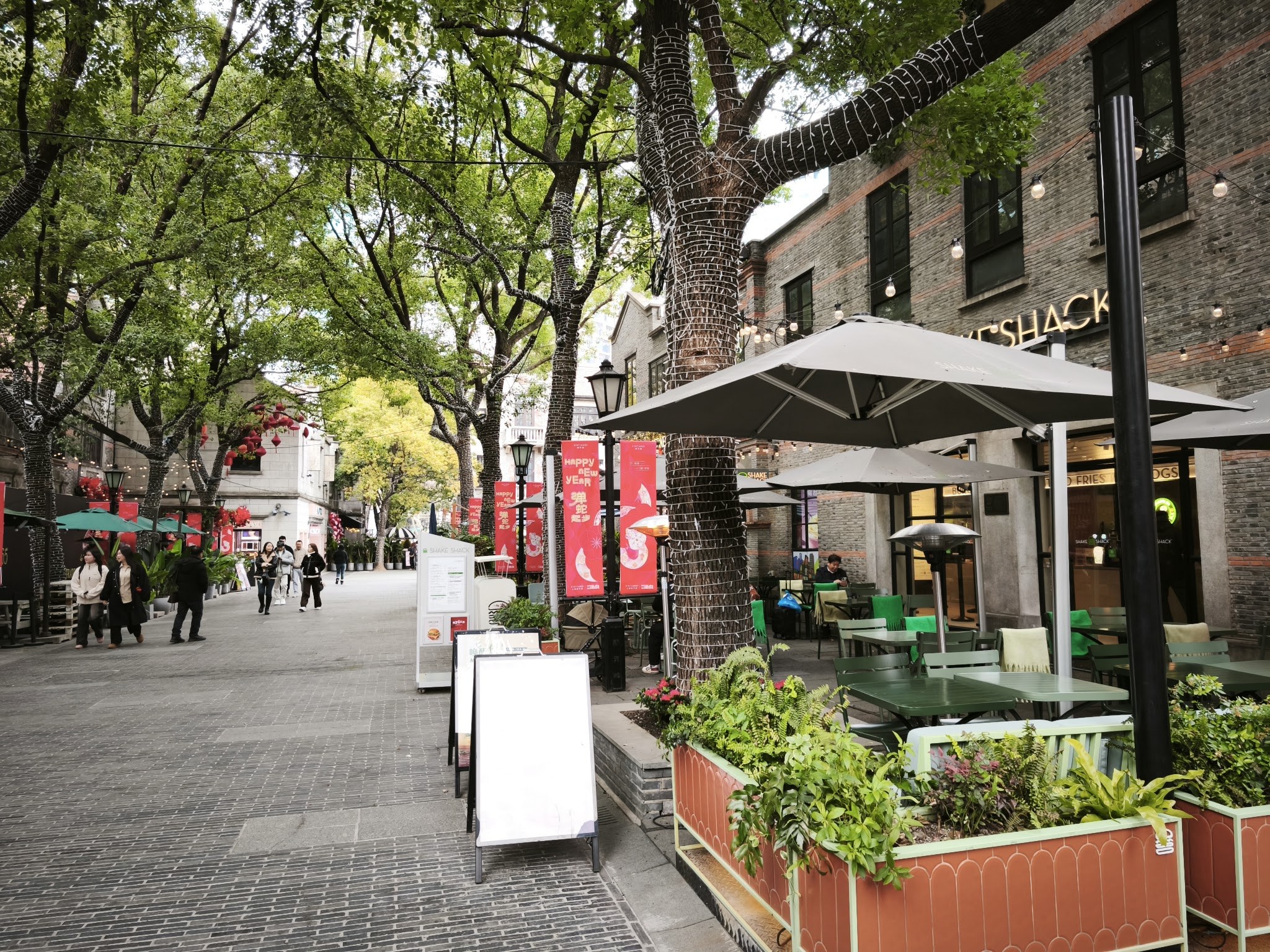
One metro hop south of Shanghai Elong Hotel, the city changes costume: Xintiandi and the former French Concession — plane-tree avenues, 1920s shikumen townhouses rebuilt as boutiques, café terraces under leaf shade, and the quiet streets where Shanghai goes to spend a slow afternoon. This guide covers the district’s sights, the walking route, and the timing that turns it into your trip’s most relaxed day. ☕
🏘️ What Shikumen Is — and Why Xintiandi Matters
Shikumen (“stone gate”) houses are Shanghai’s signature architecture: brick terraces with carved stone portals, built by the thousands in the concession era. Xintiandi is the restored block where the genre was reinvented — the lanes kept their facades while the interiors became cafés, galleries and restaurants. Two stops anchor the visit: the Site of the First National Congress of the CPC (the museum inside one of those stone-gate houses — free with reservation, historically consequential), and the Shikumen Open House Museum, a preserved 1920s interior showing how a family actually lived. Both take under an hour each; both are free or cheap.
🌳 The French Concession Walk: The Route That Works
- Start at Xintiandi’s plazas — morning coffee on a terrace before the lunch crowd (the wider café map: café guide).
- East into the lanes — Madang Road and the quieter blocks where real residents hang laundry between the boutiques.
- North through the plane-tree streets — Sinan Road and Huaihai Road’s side lanes: galleries, wine rooms, design shops.
- End at Huaihai Road proper — the grand shopping boulevard, or turn back for the metro home.
The route is flat, stroller-friendly and shaded — the classic slow afternoon, twenty minutes from the hotel door (one Line 10/13 hop; the guía de metro covers the transfer).
🍽️ The Xintiandi Table: From Buns to Bistro
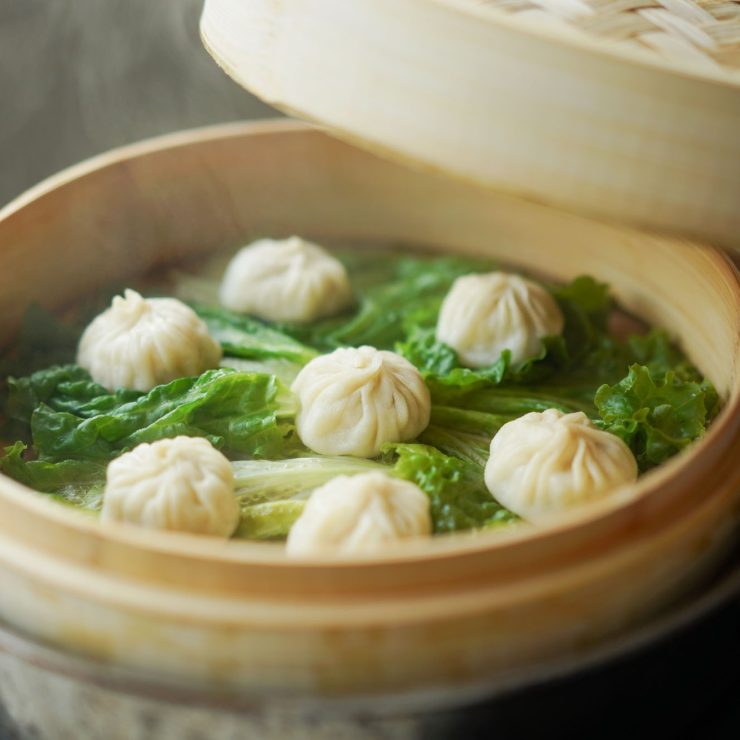
The district eats well at every price: terrace brunches, Yunnan and Sichuan restaurants in restored houses, and the dessert counters that keep the afternoon moving. For the Shanghai-classics context (xiaolongbao and friends), the map lives in our dim sum guide; Xintiandi’s edge is atmosphere — the meal in a 1920s courtyard beats the meal itself. Book the courtyard restaurants for dinner; lunch is walk-in territory.
📸 The Photography Notes
- Plane-tree light: 15:00–17:00 turns the avenues amber — the district’s best hour for portraits.
- Shikumen portals: shoot the stone gates straight-on in the quiet lanes; the carved lintels deserve symmetry.
- The contrast shot: one frame with shikumen brick in front and the Lujiazui towers behind — only Shanghai does this.
- Rain bonus: wet cobblestones double every reflection (the rainy-day guide calls Xintiandi its first stop).
⏰ Timing and the Half-Day Plan
- Morning: congress museum (opens ~09:00) + open-house museum — history before the crowds.
- Lunch: terrace or courtyard restaurant.
- Afternoon: the lane walk north, galleries, shopping.
- Evening: Xintiandi’s bar terrace, or home to the midnight noodles if the day started early.
The district runs calm on weekdays; weekends bring the brunch crowd — lively, not suffocating. The contrast with the People’s Square monuments is the point: one morning tells Shanghai’s grand story, one afternoon tells its living-room story.
🛍️ Shopping the Lanes
The retail here leans design over discount: concept stores carrying Chinese fashion labels that ship globally, the ceramics and tea-ware shops where gifts wrap themselves beautifully, lifestyle boutiques filling restored shikumen interiors, and the art galleries between them that rotate monthly. Prices run city-mid — the play is uniqueness, not bargains. Two finds worth hunting: the stationery-and-print shops doing letterpress Shanghai postcards, and the vintage shops in the side lanes that predate the district’s polish. Haggle culture does not apply here — fixed prices, honest quality, and the wrapping alone justifies the tag. Combine with the tax-free mechanics for the bigger hauls. 🛍️
❓ Frequently Asked Questions
How do I get to Xintiandi from Shanghai Elong Hotel?
One short metro hop toward the South Huangpi Road or Xintiandi area (Lines 10/13), about 15–20 minutes door to door; taxis take ten. The guía de metro has the exit-level details.
Is Xintiandi expensive?
The cafés and restaurants run Shanghai mid-to-high; the walking, the museums and the lanes cost nothing — the district is free to enjoy on any budget.
How long should I spend there?
A relaxed half-day: museums in the morning, lunch, the lane walk in the afternoon — or fold it into a bigger concession day with Huaihai Road.
Is the Party Congress site worth visiting?
For history readers, absolutely — free entry with reservation, well-curated, and the shikumen building itself is the artefact.
🌿 The Bottom Line
Xintiandi is Shanghai’s sitting room: stone-gate houses, tree shade, coffee and the century between the bricks. Twenty minutes from the hotel, it is the trip’s slow day — and every itinerary needs one. 🏘️