Shanghai’s food is a reason to visit all by itself, and Shanghai Elong Hotel’s address puts the best of it within a fifteen-minute radius: soup dumplings born a few metro stops away, breakfast queues of fried buns, teahouse dim sum and late-night counters that never close. This guide maps the eating around Huangpu — what to order, where, and the queue strategy that locals use. 🥟
🍲 The Canon: Four Things Shanghai Does Best
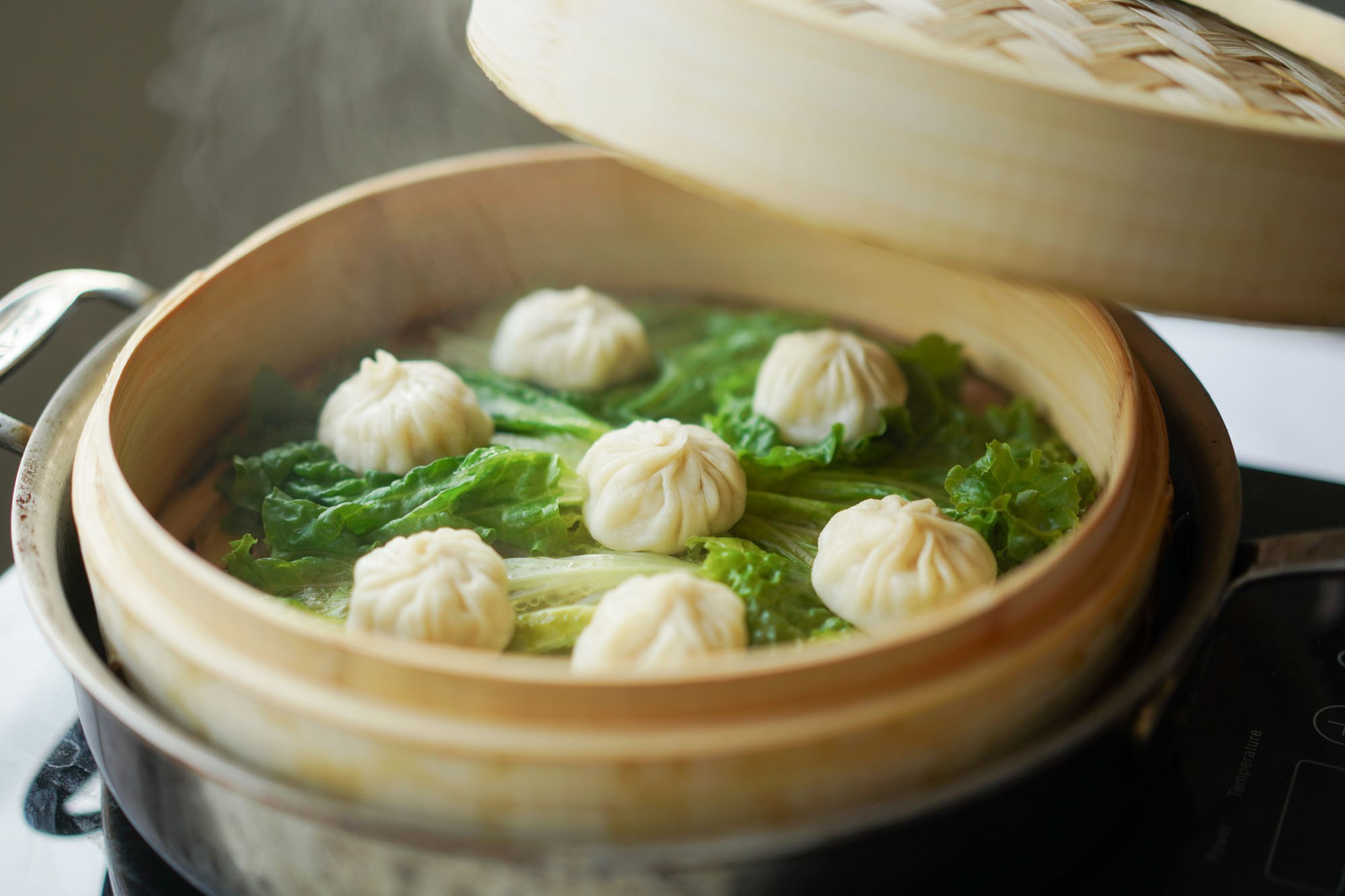
- Xiaolongbao (soup dumplings) — the paper-thin purses holding hot broth; born in Nanxiang, perfected in the city, and available in the Yuyuan bazaar’s original branch. Eat: lift, sip the side, dip, bite.
- Shengjianbao (pan-fried buns) — the breakfast icon: crisp base, soup centre, sesame shower; the morning queues move fast.
- Dim sum / Cantonese houses — trolleys of har gow and siu mai for sit-down lunches; Huangpu’s options range from teahouse classic to hotel-grade (the hotel’s own 餐厅 runs the Chinese buffet).
- Red-braised and Shanghainese classics — hongshao rou (red-braised pork), drunk crab season in autumn, and the scallion-oil noodles that justify a whole dinner.
🗺️ The Radius: Eating Zones by Distance
| Zone | 距离 | What you find |
|---|---|---|
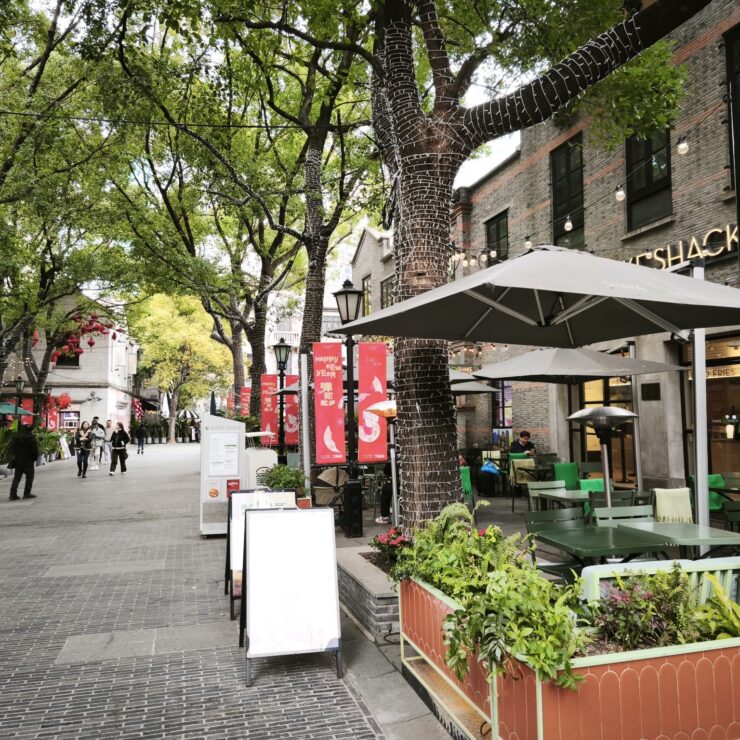
| Nanjing Road east side lanes | 5–10 min walk | Heritage snack shops, fresh pastries, quick lunches (the street guide: 南京路) |
| People’s Square dining blocks | 7–10 min | Dumpling houses, noodle counters, food courts (the square: guide) |
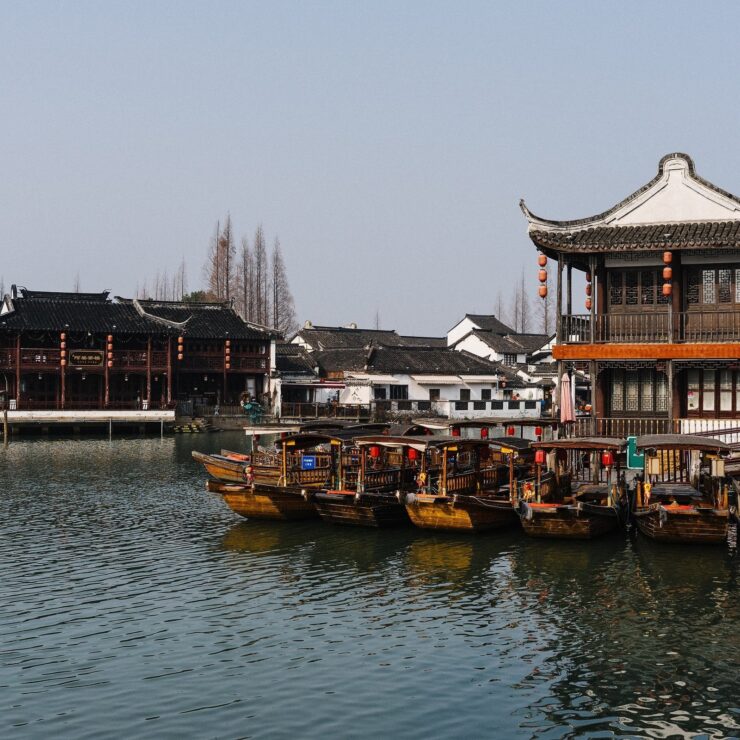
| Yuyuan bazaar | ~20 min (2 metro stops) | The soup-dumpling institution + tourist-proof snack lanes (Yuyuan guide) |
| Xintiandi | 1 metro hop | Courtyard restaurants for client dinners (the Xintiandi guide) |
| The hotel itself | 0 min | Chinese restaurant, room service, and the free midnight noodles |
⏰ The Queue Strategy That Locals Use
- Famous dumpling houses: go at opening or mid-afternoon (14:30–16:00) — never 12:00–13:00; the wait drops from an hour to ten minutes.
- Breakfast shengjianbao: the queues peak 07:30–08:30 — go 06:45 with the early risers or 09:30 after the rush.
- Dinner institutions: book same-day early evening (17:30 seating) — walk-ins at 19:00 wait long.
- Rain bonus: queue lengths halve in drizzle — eat the famous ones on wet days (the rain plan).
🌙 The Late-Night Layer
Shanghai eats late, and the hotel’s corner of Huangpu covers the hours after sightseeing:
- The hotel’s own late-night bar — free noodles, dim sum and fruit for guests (the ritual: guide).
- Nanjing Road’s late counters — dessert shops and snack stands that run past 22:00.
- Post-cruise arrivals — the river cruise ends near food streets that stay warm late.
- Room service — the hotel’s kitchen delivers when the legs refuse the stairs.
💰 The Money Math
Shanghai eating spans every budget: a shengjianbao breakfast under CNY 15, a xiaolongbao lunch CNY 40–80, teahouse dim sum CNY 80–150, and courtyard dinners at will. The buffet (CNY 68) and the free noodle bar bracket the trip — the facilities logic for longer stays applies the same arithmetic weekly.
🥢 The Ordering Vocabulary That Pays Rent
Four phrases unlock the counters: “yí lóng xiǎolóngbāo” (one basket of soup dumplings) — the universal opener; “liǎng gè shēngjiānbāo” (two pan-fried buns) — the breakfast order; “bú yào là” (no chilli) — the spice disclaimer that saves the timid; and “mǎidān” (the bill) — said while drawing a small square in the air, the gesture every counter recognises. Point-and-smile covers the rest; picture menus are standard around the tourist radius, and the staff at busy dumpling houses run orders by finger-counting baskets. Add “hǎo chī!” (delicious!) on the way out — it earns the smile that starts tomorrow’s queue conversation. 🥢
For the adventurous, add the seasonal shortlist: hairy crab in autumn, cured meats at Lunar New Year, and the spring bamboo shoots that Shanghainese kitchens treat as an event — eating by season is the deepest way into the local table.
❓ Frequently Asked Questions
Where is the best xiaolongbao near the hotel?
The Yuyuan bazaar’s original institution (two metro stops) and the People’s Square dumpling houses both deliver; the queue strategy above keeps waits short.
Is street food safe for visitors?
The heritage shops and busy counters with local queues are the safe bet — high turnover means fresh; avoid sleepy stalls as anywhere.
Can vegetarians eat well around Huangpu?
Yes — Buddhist-vegetarian restaurants near the temples, vegetable dim sum, noodle dishes without meat; say chī sù (eat vegetarian) and staff route you right.
What if I come back late and everything is closed?
The hotel’s midnight noodle bar exists for exactly this — free, hot, and delivered by robot if you cannot walk another step.
🥢 The Bottom Line
Huangpu is Shanghai’s table: soup dumplings with history, breakfast buns with queues, teahouses with trolleys — all radiating from Jiujiang Road. Eat one famous queue per day, one hidden lane per evening, and the noodle bar every night you can. 🍜